Creating a culture that champions excellent experiences at Tŷ Hafan Children’s Hospice
Tŷ Hafan Children’s Hospice are on a journey to build a culture that champions excellent experiences for supporters - find out what they did, and how you can do the same.
James Davies Hale, Head of Supporter Experience, Tŷ Hafan Children’s Hospice
What was the impact?
Through the discovery sessions, the supporter experience representatives, and the development of a shared vision, promise and principles, supporter experience is no longer seen as the responsibility of one fundraising team – it has become an organisation-wide conversation
Tŷ Hafan is one of only two children’s hospices in Wales. Founded in 1999, our ambition is that when a child’s life will be short, no family should have to live it on their own.
Before the pandemic, the words ‘supporter experience’ didn’t exist at Tŷ Hafan – but during Covid, we made it a priority to check in on our supporters, which helped to build genuine connections. This reflected a seismic shift happening across the sector: from income-first to experience-led fundraising. Supporters were no longer satisfied with transactions – they expected connection, consistency and meaning from their relationships with charities.
We needed to deliver one consistent experience - building relationships, not just income. And to do that, we needed clarity around a shared definition of “great” supporter experience at Tŷ Hafan.
The journey - measuring supporter experience
We measured supporter experience through a supporter survey with About Loyalty as part of The Chase Index. The survey gave us insight into supporter commitment, satisfaction, trust and future intention, alongside invaluable qualitative feedback from supporters themselves. For the first time, we had evidence rather than assumptions about how supporters felt about their relationship with Tŷ Hafan.
For the first time, we had evidence rather than assumptions about how supporters felt about their relationship with Tŷ Hafan.
Once the results were available, we shared them widely across the organisation. We used the findings to start conversations with teams about what supporters were telling us, celebrating the positives whilst also being honest about where we were falling short.
We were humbled by some of the supporter feedback: whilst there were lots of kind comments, there were also plenty which highlighted where we were letting our supporters down. One which has stuck with me said:
“[I] Would like to be addressed by name rather than "Hi There"…if Sainsbury's can address me by name, then surely Tŷ Hafan can.”
Ultimately, the results showed that we were delivering good experiences – but not consistently. They helped us to move from assumptions to evidence, and highlighted the missed opportunities to grow stronger relationships with the people who made our work possible.
Armed with this insight, we could start organisation-wide conversations about supporter experience and why it mattered.
Action from insight
Our results revealed three priority areas to focus on:
1) Improving how we thank supporters.
Before the survey, I heard from several colleagues that our thanking was “great” as it was – which made it all the more surprising when our supporters told us that, actually, they didn’t feel appropriately thanked. It was a bit of a disappointment, but it lit a fire under us to take action.
We reviewed thank you letters from different teams, and discovered that each team had very different views on what good thanking looks like!
We’ve also developed a “gratitude guide” which can be used by teams across the organisation to evoke the feelings of gratitude, reassurance, inspiration and pride that are important for nurturing supporter satisfaction and loyalty.

2) A greater focus on legacy promotion – both internally and externally.
Whilst our supporter commitment and satisfaction were both high, and trust was very high, our audience’s intention to leave a gift in will was much lower than expected. Not only this, but 60% of respondents were aged 65+, which highlighted the opportunity to invest in this crucial income stream.
We’ve now provided additional training for staff, and set up a legacy steering group made up of colleagues from across the charity. This group comes together monthly to champion legacy giving and drive this important income stream forward.
The team are also testing a legacy e-learning module, designed to grow confidence with talking about legacies, which they hope to be rolled out soon.
3) Embedding supporter experience across Tŷ Hafan.
A unified supporter experience wasn’t something we could define in a room on our own: we needed to listen across every team and build it together.
Here’s how we did it:
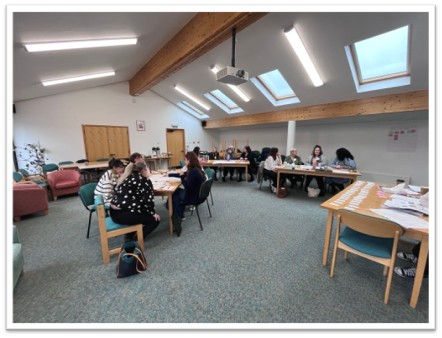
We planned a week of 'discovery sessions' for colleagues across the charity, and recruited 15 supporter experience representatives from various departments.
From here, we held an on-site workshop with the reps, and the team from About Loyalty, to craft a supporter experience vision, promise and principles that would ensure we had clarity on what an excellent supporter experience looked like for Tŷ Hafan – and who was responsible for delivering it.
Nearly 75 colleagues attended the discovery sessions in total. By the end of the sessions, they could really see how their roles directly and indirectly influence supporter experience.

The results – what’s changed, and what we’ve learned
Rather than relying on assumptions, we now have a clearer understanding of how supporters feel about their relationship with Tŷ Hafan and can make more informed decisions to strengthen those relationships in the future.
Internally, the change has been much more significant. Supporter experience is no longer seen as the responsibility of one fundraising team – it has become an organisation-wide conversation. The other day, our CEO asked me: “Can I pick up the phone and call our London Marathon runners?” – something which would have never happened even a few years ago!
Our biggest lesson is that measuring supporter experience isn't about chasing a perfect score – it's about listening, learning and acting. Some of our 2026 results were encouraging, particularly around satisfaction and improvements in thanking, but other areas reminded us that supporter loyalty can't be taken for granted. Commitment dipped and trust fell slightly, reinforcing that building strong supporter relationships is an ongoing journey rather than a one-off project.
Our next priority is strengthening supporter commitment, particularly during the critical first 12 months of a supporter relationship. We know that the experiences supporters have early on can shape their long-term connection with Tŷ Hafan, so we'll be focusing on how we welcome, engage and retain new supporters from the very beginning.
We will also continue to improve how we thank supporters, and we're developing a longer-term supporter experience strategy to guide our work over the next three years. This will help us move from individual projects and initiatives towards a more coordinated approach, ensuring supporter experience remains at the heart of decision-making across the organisation and continues to support both loyalty and sustainable income growth.
Here’s what we’ve learned from two years of building a culture that champions excellent experiences at Ty Hafan:
Without senior leadership buy-in, supporter experience will always be fragmented.
This was our biggest barrier, and it took several years of making the case internally before the right conditions came together. The arrival of a new senior leadership team in 2022, combined with growing sector-wide recognition that experience drives loyalty and long-term income, helped create the momentum we needed.
Insight is only powerful when it’s shared and acted on – and not put into a Sharepoint folder and forgotten about.
The most powerful changes happened when colleagues across the organisation engaged with the results, challenged assumptions and took collective responsibility for improving supporter experience.
You can't fix everything at once – so focus on the areas that will make the biggest difference.
Our results provided valuable evidence about where we needed to focus our efforts, and will continue to guide our action into 2027.
Involve the whole organisation early!
Culture change takes time, but helping colleagues to understand the role they play makes a huge difference.
When you get this right – it’s magic. Everyone understands their role, and together you can create something much more powerful.
What was the impact?
Through the discovery sessions, the supporter experience representatives, and the development of a shared vision, promise and principles, supporter experience is no longer seen as the responsibility of one fundraising team – it has become an organisation-wide conversation
Project Gallery